分类: 欧倍力

  • Commercial Dishwasher Sizing Guide

    Commercial Dishwasher Sizing Guide

    Commercial dishwasher sizing guide helps buyers estimate peak demand, racks per hour, plates per hour, dishroom space, and utility needs before they request a quote. It also helps compare commercial dishwasher types and check commercial dishwasher capacity early in the project.

    Start with the peak return window

    Sizing should start with the busiest 60 to 90 minutes of service, not the daily average. Count plates, bowls, trays, cups, cutlery baskets, pans, crates, and containers on their own, because each load type changes the machine choice.

    To estimate racks, convert the peak return load into rack counts and then add margin for rewash, growth, and service spikes. A restaurant may need racks per hour. A school may need trays per meal period. A central kitchen may need both plates per hour and crate or pan washing capacity.

    Match capacity to machine type

    Hood type machines suit moderate batch washing. Rack conveyor dishwashers suit higher rack flow. Flight type dishwashers suit continuous institutional tray and plate returns.

    If pans, crates, totes, or insulated boxes are part of the workload, size them separately. Dedicated pan washers and crate washers keep heavy items from slowing the main tableware line. That is often the cleanest way to match commercial dishwasher capacity to the real workload.

    Check space and utilities before final sizing

    A machine may have enough capacity on paper and still fail if the room cannot load, unload, drain, power, vent, or service it. Confirm dirty sorting, pre-wash, machine length, drying, clean landing, and maintenance access.

    Oberon can turn peak counts, item sizes, utility data, and layout drawings into a recommended dishwasher type and project plan.

    Core specifications at a glance

    • Core specification: Peak racks, trays, or plates per hour
    • Project check: Capacity + space + utilities

    Frequently asked questions

    What size commercial dishwasher do I need?

    You need a size that matches peak racks per hour, item mix, dishroom space, staff flow, and utilities. Start with the busiest service period rather than total daily volume.

    How do I estimate racks per hour?

    To estimate racks, count items during peak return time, convert them into rack loads, then add margin for rewash, growth, and unexpected peaks.

    When is a flight type dishwasher required?

    A flight type dishwasher is usually considered when volume is continuous, meal windows are short, and tray or plate flow is too high for batch or rack conveyor loading.

    Should pans and crates be included in dishwasher sizing?

    They should be counted, but they often need a separate utensil, pan, crate, or container washer so the main tableware line keeps moving.

    Related reading

    For a deeper comparison, review commercial dishwasher types and match them to workload, space, and utility limits.

  • Commercial Dishwasher Water Temperature

    Commercial Dishwasher Water Temperature

    Commercial dishwasher water temperature affects cleaning, sanitation, drying, utility load, and compliance. Buyers should plan wash tank temperature, final rinse performance, and recovery capacity before ordering equipment.

    Why temperature matters

    Commercial dishwashers rely on heat, detergent, spray pressure, and contact time working together. If wash water is too cool, grease and starch remain on ware. If final rinse recovery is weak, sanitation and drying performance may suffer during peak service.

    High-temperature machines typically use hot final rinse for sanitation and drying. Low-temperature machines rely more on chemical sanitizer, so concentration, contact time, and staff control become more important.

    Plan temperature by machine type

    Undercounter and hood type machines may be limited by site hot-water supply and booster capacity. Conveyor and flight type systems need stronger recovery planning because they process racks or tableware continuously.

    For large systems, heat recovery can reduce energy demand by using exhaust or waste heat to preheat incoming water. This matters most where operating hours, rack volume, and rinse demand are high.

    Temperature troubleshooting checklist

    If dishes leave wet, greasy, streaked, or unsafe, check tank temperature, final rinse temperature, rinse pressure, detergent dosage, water hardness, rack loading, and spray arm condition. Temperature is important, but it is not the only variable.

    Oberon reviews incoming water, power, ventilation, capacity, and hygiene goals before recommending a high-temperature, low-temperature, conveyor, flight type, or specialized warewashing configuration.

    Core specifications at a glance

    • High-temp focus: Hot final rinse and drying
    • Project input: Incoming water, power, recovery demand

    Frequently asked questions

    What temperature should a commercial dishwasher use?

    The correct temperature depends on machine type, sanitizer method, local hygiene rules, and the equipment manual. Confirm wash and final rinse requirements during project planning and commissioning.

    Why is my commercial dishwasher not reaching temperature?

    Possible causes include low incoming water temperature, undersized heating power, scale on heating elements, faulty sensors, heavy peak demand, or incorrect machine settings.

    Do conveyor dishwashers need more heating capacity?

    Often yes. Conveyor and flight type systems process more racks or plates per hour, so heating and recovery capacity must match continuous operation.

    Can heat recovery reduce operating cost?

    Yes. Heat recovery can preheat incoming water and reduce energy demand, especially on larger conveyor and flight type warewashing systems.

    Related reading

  • Commercial Dishwasher Maintenance Checklist

    Commercial Dishwasher Maintenance Checklist

    Use this commercial dishwasher maintenance checklist to protect wash quality, sanitation, uptime, and labor efficiency. The checklist is organized by daily, weekly, monthly, and replacement-review tasks.

    Daily maintenance checklist

    Before service, confirm scrap screens, filters, curtains, wash arms, rinse arms, chemical containers, and drain valves are fitted correctly. A missing filter or blocked nozzle can reduce performance during the first rush.

    After service, drain the tank, remove food debris, rinse filters, wipe seals, leave doors or panels open for drying, and record leaks, unusual noise, or error messages in a simple maintenance log.

    Weekly and monthly checks

    Weekly tasks should include spray arm removal, nozzle inspection, curtain cleaning, detergent line review, conveyor or rack guide inspection, and visible scale checks. Conveyor and flight type systems should also be checked for chain tension, transitions, and emergency stops.

    Monthly tasks should verify thermostat accuracy, rinse pressure, pump performance, door switches, dosing calibration, electrical terminals, and limescale control. Hard-water sites may need more frequent descaling and water treatment review.

    When maintenance points to replacement

    Repeated emergency repairs, poor temperature recovery, frequent rewash, and capacity bottlenecks are signals that the machine may no longer match the operation. Maintenance records turn those symptoms into evidence for a replacement or upgrade discussion.

    Oberon can review maintenance history, peak racks per hour, item mix, water quality, and floor plan to recommend a suitable dishwasher, pan washer, or crate washing system.

    Core specifications at a glance

    • Daily: Screens, filters, arms, tank, seals, leaks
    • Monthly: Temperature, pressure, scale, controls

    Frequently asked questions

    How often should a commercial dishwasher be cleaned?

    A commercial dishwasher should be cleaned daily after service. Filters, screens, tanks, and seals need daily attention, while nozzles, dosing lines, scale, and controls should be checked weekly or monthly.

    What causes poor wash results in a commercial dishwasher?

    Common causes include blocked nozzles, dirty filters, low detergent, incorrect water temperature, hard water scale, overloaded racks, and soil entering the tank through uncleared scrap screens.

    Should operators keep a maintenance log?

    Yes. A maintenance log helps managers see repeated faults, verify cleaning routines, schedule service, and decide whether repair or replacement is more economical.

    Can Oberon provide maintenance guidance for new machines?

    Yes. Oberon provides operation and maintenance guidance for commercial dishwasher projects, including cleaning routines, spare parts, and service access planning.

    Related reading

  • How to Choose a Commercial Dishwasher

    How to Choose a Commercial Dishwasher

    To choose a commercial dishwasher, start with peak volume, item mix, soil level, available space, utilities, sanitation method, and service support. The best machine is the one that fits the whole dishroom workflow, not just the catalog category.

    Step 1: define the workload

    List the busiest service period, number of meals, racks per hour, plates per hour, cutlery baskets, glass racks, trays, pans, crates, and special items. A kitchen that serves 800 meals in 90 minutes has a very different need from one that serves 800 meals across a full day.

    Also record soil type. Grease, starch, bakery residue, sauce, and protein soils may require different pre-wash, detergent, spray pressure, or dedicated washing equipment.

    Step 2: match machine type to workflow

    Undercounter machines fit bars and compact kitchens. Hood type machines suit moderate restaurant volume. Rack conveyor machines fit busy rack-based dishrooms. Flight type systems fit large institutions and central kitchens.

    If the workload includes pots, pans, trays, crates, totes, or insulated containers, add a utensil washer, pan washer, or crate washing system to the plan instead of forcing everything into one tableware machine.

    Step 3: compare lifetime value

    A cheaper machine can become expensive if it creates rewash, labor bottlenecks, high water use, poor drying, or repeated downtime. Compare water, energy, detergent, labor, service access, spare parts, and training support.

    Oberon supports project buyers with model selection, OEM/ODM options, layout review, and documentation so the chosen commercial dishwasher fits the site and the business model.

    Core specifications at a glance

    • First input: Peak 60-90 minute workload
    • Final decision: Workflow fit + lifecycle value

    Frequently asked questions

    What should I check before choosing a commercial dishwasher?

    Check peak volume, item mix, soil level, dishroom space, loading direction, water supply, drainage, power, ventilation, staff workflow, sanitation method, and service support.

    What is the best dishwasher for a commercial kitchen?

    There is no single best machine. Hood type, conveyor, flight type, undercounter, utensil, crate, and pan washers each fit different workloads and spaces.

    Should I choose high-temp or low-temp sanitation?

    The choice depends on local hygiene rules, available utilities, drying needs, chemical management, and operating cost. Always confirm requirements before purchase.

    Can Oberon help with dishwasher selection?

    Yes. Oberon can review capacity, layout, utilities, item dimensions, and target market requirements before recommending a commercial dishwasher configuration.

    Related reading

  • Flight Type vs Conveyor Dishwasher: Throughput, Labor and Cost

    Flight Type vs Conveyor Dishwasher: Throughput, Labor and Cost

    Flight type and rack conveyor dishwashers both support high-volume warewashing, but they solve different problems. In busy commercial kitchens, conveyor machines move racks through a tunnel; flight type systems move tableware continuously for the highest tray and plate volumes. This guide compares both warewashing systems so foodservice industries of every size can pick the right ware washing setup.

    How the two systems work

    A rack conveyor dishwasher — different from stationary rack machines that wash one rack at a time in a fixed tank — carries loaded racks through wash and rinse sections. It is a strong fit for restaurants, hotels, cafeterias, quick service restaurants, and institutions that need higher throughput than a hood type machine while still handling items in racks.

    A flight type dishwasher uses a continuous belt or flight chain. Operators place plates, trays, bowls, or cutlery carriers directly onto the system, making it better for meal peaks where thousands of items return in a short window.

    Capacity, labor, and footprint tradeoffs

    Conveyor dishwashers usually require less floor length and are easier to fit into existing dishrooms. They are often selected when the kitchen still uses rack-based sorting, keeps extra racks on hand for peaks, and has a steady but manageable rack flow.

    Flight type systems need more planning, longer layouts, and stronger utility coordination, but they can reduce handling steps and stabilize labor in central kitchens, universities, hotels, and large canteens.

    Utility and installation checks before you buy

    A conveyor dishwashing machine must come with the right utilities and site preparation, or even the best spec sheet will not deliver. Before signing, confirm power supply, water hardness treatment, drainage height, ventilation over the tank, and the floor space needed for loading and unloading zones.

    On site, ask the supplier to walk you through the nameplate and controls. The data plate that explains cycle time, tank temperatures, and rinse pressure tells you what the machine actually does; pair it with the manual’s hand washing instructions so staff pre-scrape and rack items correctly. A quick demo with your own trays and pans reveals more than any brochure.

    Warewashing professional equipment market outlook

    The global warewashing professional equipment market keeps expanding as foodservice operators replace hand washing with automated warewashing systems. Market growth is driven by labor shortages, stricter hygiene rules, and rising sanitation standards across restaurants, hotels, and institutional catering.

    The market is expected to grow at a CAGR in the mid-single digits through the early 2030s, and the North America warewashing professional equipment market outlook highlights replacement demand and energy-efficient upgrades as key purchasing drivers.

    Product type segments split the market by machine category — undercounter, hood type, rack conveyor, and flight type — and by end user. Market share remains concentrated among key players such as Hobart, MEIKO, Winterhalter, and Electrolux Professional, while regional manufacturers compete on price, customization, and lead time. For buyers, this competition works in your favor: quote two or three vendors before deciding.

    2027 update: what Oberon’s current flight type lineup looks like

    Since this comparison was first published, Oberon’s flight type range has grown into three distinct tiers — useful reference points when you size either system:

    • Omni Clean Series — fully automated flight type line with automatic scrapping and ultrasonic pre-cleaning, rated 3,000–10,000 plates per hour (19–24 kW) for the largest institutional sites.
    • Omni Compact Series — flight type throughput (2,000 plates per hour) in a shortened footprint, at 200 L/h water consumption, for sites that cannot fit a full-length tunnel.
    • SonicFlow — a hood-type machine with built-in ultrasonic pre-wash: the middle path when 70 racks/hour is enough and a full flight line is not.

    If rack handling still fits your dishroom, a flight type dishwasher from the same range shares components with these lines — which simplifies spare parts and service planning across sites.

    How to choose between them

    Choose rack conveyor when racks per hour, available space, and staffing match a tunnel machine. Choose flight type when the bottleneck is continuous tableware return, tray flow, or the labor required to load and move racks.

    Oberon can compare both ware washing options using your peak return window, item mix, floor plan, loading direction, rinse demand, drying expectations, and expansion plan.

    Core specifications at a glance

    • Intent: Comparison / equipment selection
    • Conveyor fit: Rack-based high-volume dishrooms with steady rack flow
    • Flight fit: Continuous institutional tray and plate flow
    • Decision inputs: Peak return window, item mix, floor plan, utilities, staffing

    Frequently asked questions

    Is a flight type dishwasher better than a conveyor dishwasher?

    Not always. Flight type systems are better for continuous high-volume tray and plate flow, while rack conveyor ware washing systems are often better for rack-based operations with less floor length.

    Which option uses less labor?

    Flight type systems cut loading and handling steps, so they often need fewer staff per tray at very high volumes. Rack conveyor lines keep rack handling simple and can run with fewer skilled operators at moderate volumes.

    How big is the warewashing professional equipment market?

    Analysts track the global warewashing professional equipment market in the multi-billion-dollar range with steady mid-single-digit growth, led by North America, Europe, and Asia-Pacific. Exact figures vary by report scope, so use them for direction rather than planning precision.

    Related reading
  • Commercial Dishwasher Types: A Buyer’s Guide

    Commercial Dishwasher Types: A Buyer’s Guide

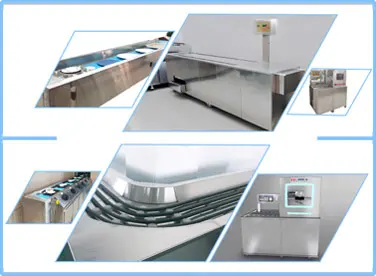
    The main commercial dishwasher types are undercounter, hood type, rack conveyor, flight type, glasswasher, utensil washer, crate washer, and pan washer. The right choice depends on peak volume, item type, soil level, floor space, and how dirty ware moves through the dishroom.

    Core dishwasher types buyers compare

    Undercounter machines fit bars, cafes, coffee shops, and small kitchens where the machine must sit close to service. Hood type or pass-through dishwashers fit moderate restaurant volume with a dirty table on one side and a clean table on the other.

    Rack conveyor dishwashers move loaded racks through the machine for higher rack flow. Flight type dishwashers handle continuous high-volume tray and plate washing, which is why they are common in schools, hotels, large canteens, and central kitchens.

    Specialized systems for items beyond plates

    Not every dirty item belongs in the tableware line. Pots, pans, bakery trays, crates, totes, and insulated delivery boxes usually need stronger spray coverage, longer contact time, or custom guides.

    For those cases, buyers should consider utensil washers, container pan washers, ultrasonic pre-wash systems, and crate washing systems. Separating these loads protects the main dishwasher from becoming the bottleneck.

    Selection checklist before requesting a quote

    Record the busiest 60 to 90 minutes of service, not just the average day. Count racks, trays, plates, bowls, cups, cutlery baskets, pans, and crates separately because each item group affects capacity and machine type.

    Then confirm dishroom length, loading direction, clean landing space, water temperature, drainage, electrical supply, ventilation, and staff movement. Oberon can use these inputs to recommend a machine type and layout.

    Core specifications at a glance

    • Intent: Informational + commercial comparison
    • Best quick fit: Hood type for compact batch washing
    • Highest volume: Flight type for continuous tray flow

    Frequently asked questions

    What are the main commercial dishwasher types?

    The main commercial dishwasher types are undercounter, hood type, rack conveyor, flight type, glasswasher, utensil washer, crate washer, and pan washer. Buyers should choose by peak load, item type, floor space, utilities, and staff workflow.

    Which commercial dishwasher type is best for restaurants?

    Small restaurants often choose hood type or undercounter machines. Busy restaurants and hotels usually need rack conveyor dishwashers, while very high-volume sites may need flight type systems.

    When should a kitchen use a separate pan or crate washer?

    Use a separate washer when pans, trays, crates, or totes are large, heavily soiled, or slow down the main tableware line. Dedicated equipment improves throughput and wash consistency.

    Can Oberon help compare commercial dishwasher types?

    Yes. Oberon can review peak volume, item mix, floor plan, water, drainage, power, and hygiene requirements to recommend a suitable warewashing system.

    Related reading